Species
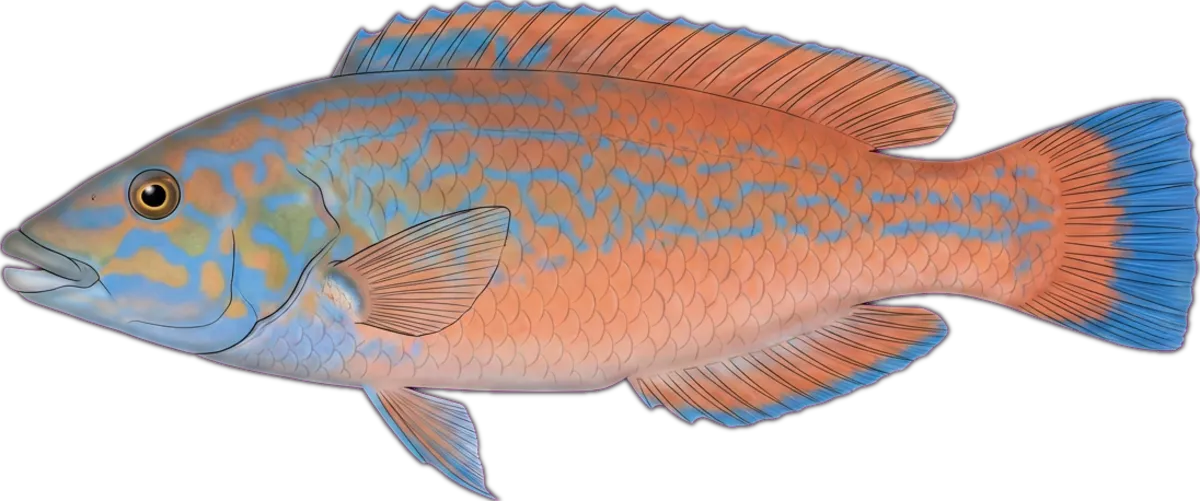
Wrasse
Labridae spp.
Also known as wrasses
Tier 4Eating6/10light tackleNSWVICQLDSAWATAS
9 waypoints20–40 cm (max 70 cm) typical
Regulations
VIC28 cm min · bag 5TAS30 cm min · bag 5
| State | Size | Bag |
|---|---|---|
| VIC | 28 cm min | 5 |
| TAS | 30 cm min | 5 |
Regulations change. Always verify with the relevant state fisheries authority before fishing.
Overview: about wrasse
Catch-all for the many wrasse species across Australian reefs — bluethroat in the south, Maori and tuskfish in the north and on the east coast. Targeted with bait and small jigs over rough reef and broken ground. Good eating but slow-growing; size and bag limits vary by state and species.
Biology: Wrasse size, diet & habitat
- Habitat
- Inshore, Reef
- Typical size
- 20–40 cm (max 70 cm)
- Weight
- 0.3–1.5 kg (max 5 kg)
- Depth range
- 0–100 m
- Diet
- crustaceans, molluscs, urchins
- Most active
- diurnal
- Global range
- Many species — Labridae family across all AU coasts
How to target: Wrasse angling strategies
Generally fished with light tackle — match gear to the conditions and the size of fish you expect.
- squid strip or prawn on a paternoster over rocky reef in 5-40m
- small soft plastics dropped along reef edges
Safety & handling
Ciguatera risk: lowAvoid eating large specimens from tropical reefs. Risk varies by region and individual fish — when in doubt, release.
Conservation
IUCN: Least Concern
Vernacular 'wrasse' spans many species (blue-throat wrasse, senator wrasse, maori wrasse etc.) — flag for editorial review.
Recent community catches: anglers who caught wrasse
No wrasse catches logged yet. Log one and you'll be recognised here.
Where to catch: wrasse fishing spots in Australia
Tasmania8
More information: wrasse references & sources
Saved.